In the misty landscapes of Ireland, a quiet revolution is taking place—one that has nothing to do with politics or poetry, but with vapor. The rise of electronic cigarettes has transformed smoking culture, offering an alternative that merges technology with tradition. This isn’t just a trend; it’s a shift in how people approach nicotine consumption, blending innovation with the deeply ingrained social rituals of Irish life. From Dublin’s bustling streets to the cozy pubs of Galway, e-cigarettes are becoming a familiar sight, sparking conversations about health, choice, and modernity.
What makes this movement particularly fascinating is how it reflects Ireland’s unique character: a blend of forward-thinking adaptability and respect for community values. As we delve into the world of vaping, we’ll explore not just the devices themselves, but the stories they tell about change and identity in contemporary Ireland.
The Science of Vaping: How E-Cigarettes Work
At its core, an electronic cigarette is a masterpiece of minimalist engineering. Unlike traditional tobacco products, which rely on combustion, e-cigarettes operate through vaporization. A typical device consists of a battery, a heating element (often called a coil), and a reservoir for e-liquid. When the user activates the device—usually by pressing a button or simply inhaling—the battery sends power to the coil, which heats up and turns the e-liquid into an aerosol. This vapor is then inhaled, delivering nicotine without the smoke, tar, and many of the harmful chemicals associated with burning tobacco.
The e-liquids themselves are a blend of propylene glycol (PG), vegetable glycerin (VG), flavorings, and optionally nicotine. PG is known for carrying flavor effectively and providing a “throat hit” similar to tobacco, while VG produces denser vapor clouds. The ratios of these components can vary, allowing users to customize their experience based on whether they prioritize flavor intensity, vapor production, or throat sensation.
This technology might seem modern, but the concept dates back to the 1960s, when Herbert A. Gilbert patented a “smokeless non-tobacco cigarette.” However, it wasn’t until the early 2000s that Chinese pharmacist Hon Lik developed the first commercially successful e-cigarette, driven by a personal mission to find a safer alternative after losing his father to smoking-related cancer. Since then, the industry has exploded with innovation, leading to a diverse range of devices from discreet cig-a-likes to advanced personal vaporizers.
Cultural Shift: Why Ireland is Embracing Vaping
Ireland has long had a complex relationship with smoking. The pub culture, with its warm gatherings and lively conversations, often revolved around cigarettes for decades. But with the introduction of the smoking ban in 2004—a groundbreaking move that made Ireland the first country to prohibit smoking in all workplaces, including bars and restaurants—the nation began rethinking its habits. This policy not only cleared the air in public spaces but also planted the seeds for a broader health consciousness.
Enter e-cigarettes. For many Irish smokers, vaping offered a way to participate in social rituals without the smoke. It became a bridge between the old and the new, allowing users to step outside for a “break” without isolating themselves from non-smoking friends. The familiarity of the hand-to-mouth action and the nicotine satisfaction made it an appealing alternative, especially for those who had struggled with other cessation methods.
Moreover, Ireland’s tech-savvy population embraced the gadgetry aspect of vaping. From adjustable wattage to temperature control, the customization resonated with a culture that values innovation and personal expression. Online communities and local vape shops sprang up, creating spaces for enthusiasts to share tips, tricks, and recommendations. This sense of community has been crucial in normalizing vaping and integrating it into the fabric of everyday life.
Navigating the Legal Landscape
As with any emerging industry, the regulation of e-cigarettes has been evolving. In Ireland, the sale and use of vaping products are governed by a combination of European and national laws. The Tobacco Products Directive (TPD), implemented across the EU, sets standards for product safety, packaging, and advertising. For instance, e-liquids containing nicotine are limited to containers no larger than 10ml, with nicotine strength capped at 20mg/ml. Additionally, all products must undergo testing and notification before they can be sold.
These regulations are designed to ensure consumer safety, but they also shape the market in significant ways. For businesses, compliance means rigorous quality control and transparent labeling. For consumers, it offers reassurance about the products they use. However, the landscape remains dynamic, with ongoing debates about potential further restrictions, such as flavor bans or increased taxation.
Despite these challenges, the industry continues to thrive, driven by demand and innovation. For those looking to enter the market, whether as retailers or consumers, understanding these rules is essential for navigating the space responsibly.
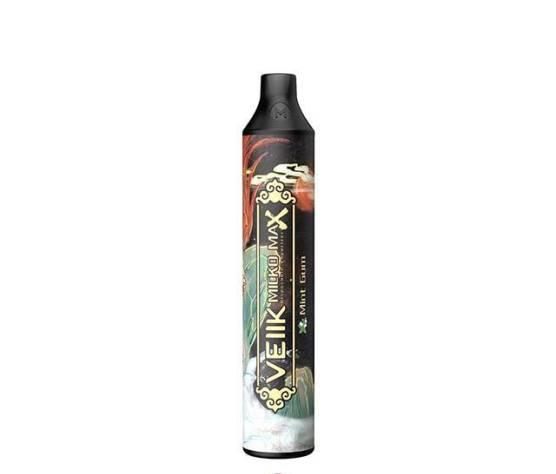
The Business of Vapor: Opportunities in the Irish Market
The growth of vaping in Ireland has created a vibrant economic ecosystem. From manufacturers to retailers, the industry supports a range of businesses and jobs. One of the key drivers of this expansion is the demand for reliable, high-quality products, which has led to the rise of specialized distributors catering to both individual consumers and larger retail networks.
For example, companies focusing on Ireland wholesale play a critical role in supplying local shops with everything from starter kits to premium e-liquids. These distributors act as bridges between global manufacturers and the Irish market, ensuring that retailers have access to the latest innovations while meeting regulatory standards. Their expertise helps maintain the quality and diversity that consumers expect, supporting the industry’s overall health and sustainability.
The wholesale model also allows smaller businesses to compete, providing them with the inventory and support needed to thrive in a competitive landscape. This accessibility fosters entrepreneurship, from family-run vape shops in rural towns to trendy urban outlets. By balancing scale with personalized service, the wholesale sector helps ensure that the benefits of the vaping revolution are spread broadly across the country.