The first time I stepped into Jeffrey Campbell’s design studio, it didn’t feel like I was entering a workplace. It felt like I had wandered into a living sketchbook—unfinished ideas scattered across long tables, leather swatches hanging beside metallic hardware samples, and tiny scribbles taped onto walls like reminders of fleeting inspiration. This wasn’t just about fashion; it was a workshop of emotions turned into wearable stories.
I noticed a table tucked away in the corner, stacked with shoe prototypes that never made it into production. Some were wildly experimental, with asymmetrical heels that looked like they belonged in a modern art gallery. Others were minimal, soft, and almost shy, like they were waiting for their moment to shine. The air in the room carried the quiet hum of possibility, and I realized that the heart of Jeffrey Campbell’s work lies not in producing endless collections, but in the refusal to stop imagining.
One pair caught my attention—an ankle boot with unfinished stitching, one side higher than the other, as if it was frozen mid-thought. When I asked about it, a designer nearby explained that Jeffrey often keeps these half-formed ideas as reminders of the creative process. “It’s not about perfection,” she said, “it’s about chasing the feeling.” That phrase stuck with me. Chasing the feeling—how many brands in fashion still operate like that?
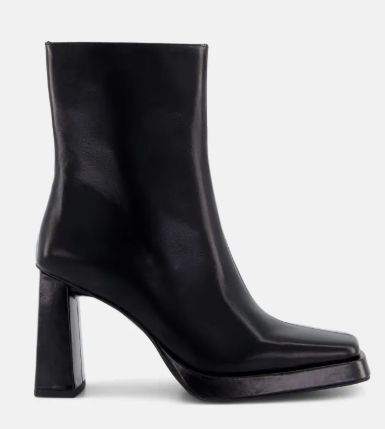
There’s a certain intimacy in seeing a brand’s process behind closed doors. We often imagine designers sketching in perfect silence, but Jeffrey’s workspace is anything but pristine. It’s messy in the most beautiful way—coffee stains on notebooks, shoes propped against each other like old friends, colors clashing until they suddenly harmonize. This chaos tells you something about the shoes themselves. They aren’t born from a formula; they’re born from trial, error, and a little bit of magic.
When you hold a pair of jeffrey campbell shoes australia styles in your hands, you feel that story. Maybe it’s in the unexpected shape of the heel, or the way textures clash just enough to make you stop and look twice. These shoes carry the energy of an artist who refuses to be predictable.
What struck me most that day was watching Jeffrey himself sketch on tracing paper. He wasn’t drawing to impress anyone—he was drawing because the ideas wouldn’t let him rest. There was a quiet focus in the way he shaded a curve, erased it, and then drew it back differently, as though he was negotiating with the shoe itself. I couldn’t help but think that every finished pair we see in stores is just the tip of an iceberg. Beneath it lies hours of rethinking, reworking, and wrestling with what a shoe should feel like when someone slips it on.
I left the studio with a different perspective on his shoes. They aren’t just accessories; they’re artifacts of a restless mind that refuses to settle for ordinary. And maybe that’s why people connect with them so strongly—you’re not just buying a shoe, you’re wearing a fragment of a process, a risk that paid off, or even a mistake that turned into something unexpectedly beautiful.