When you walk into the design studio of Inuikii, the first impression isn’t about luxury or trendiness—it’s about warmth. Not the literal kind that comes from fabrics, but the warmth of people who clearly pour themselves into their work. I had the privilege of spending a morning at one of their worktables, observing the quiet intensity of designers sketching, stitching, and debating tiny details most of us would overlook. It reminded me that every piece we see in a store window carries stories we rarely pause to consider.
On one side of the studio, rolls of fabric rested against the wall, each chosen not just for color or texture but for feel. A designer ran her fingers across a swatch, testing how it stretched, how it draped, how it might age with time. The way she frowned thoughtfully before setting it aside told me there’s no shortcut here—every selection is weighed against the idea of comfort and longevity. It was clear that Inuikii’s ethos is less about fleeting fashion statements and more about creating clothing that feels lived in, like an extension of home.
Among the sketches scattered across the table, I caught sight of early concepts for pieces that haven’t yet been released. The drawings weren’t perfect—pencil smudges and corrections covered the margins—but that was what made them fascinating. They spoke of trial and error, of a design journey that values mistakes as much as final triumphs. One prototype sweatshirt lay draped over a chair, its seams carefully hand-stitched, not yet finished but already carrying the quiet promise of becoming someone’s favorite item.
That sweatshirt led me to think about how different it feels to wear something made with such care. So often, clothing is treated as disposable: worn, discarded, replaced. But in this studio, each piece seemed intended to stay with you, to carry your memories. I thought about my own closet, where certain garments are more than fabric—they’re tied to specific places, moments, and moods. It struck me that this is what Inuikii is aiming for: not just clothing, but companions.
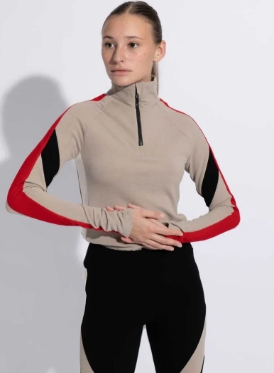
Later, while speaking with one of the younger designers, she explained how much thought goes into balancing aesthetics and practicality. She told me, almost shyly, that she hopes people will see the sweatshirts not as just another seasonal item but as a way to feel both grounded and expressive. It made me realize how rarely we connect the garments we buy to the human intentions behind them. And yet, once you do, it changes the way you see everything.
That’s why browsing through something as simple as the inuikii sweatshirt collection now feels different to me. I no longer see just shapes and shades—I see the hours of deliberation over stitching patterns, the debates about fabric blends, the sketches that went through three revisions before finding their form. Each item carries with it a little piece of that worktable, that energy of patience and devotion.
The studio visit stayed with me long after I left. Walking back through the city streets, I realized that behind every understated design is a group of people chasing a vision that’s both practical and emotional. It’s easy to forget, in a world driven by fast consumption, that clothing can still carry intimacy, intention, and the kind of detail that makes us pause. Inuikii reminded me of that, and it made me want to choose differently—to choose pieces that hold a story, as carefully woven as the threads that bring them to life.